What Do I Do Now?
Discovering an artifact in your backyard can be both exciting and bewildering. First, it’s essential to remain calm and avoid disturbing the item further. Take a moment to closely observe the artifact; note its size, shape, and any visible markings. Document its location by taking photos and making detailed notes about where and how you found it.
Next, conduct some preliminary research. Spend some time conducting online research to see if similar items have been found in your area; this could offer crucial insights into their origins. Exploring whether these items are linked to a particular culture or historical period could greatly enrich your understanding of their significance. Investigating these connections can lead to a richer appreciation of the artifacts and their potential stories. This approach not only satisfies curiosity but may also uncover fascinating links to the past. Local libraries or museums may also provide resources or staff who can assist in identifying the artifact.
Before taking any action, familiarize yourself with local laws regarding artifact discovery and archaeology. Many regions have strict regulations regarding the possession and excavation of artifacts. Removing certain items from their original location can be illegal, particularly if those items are considered historically or culturally significant.
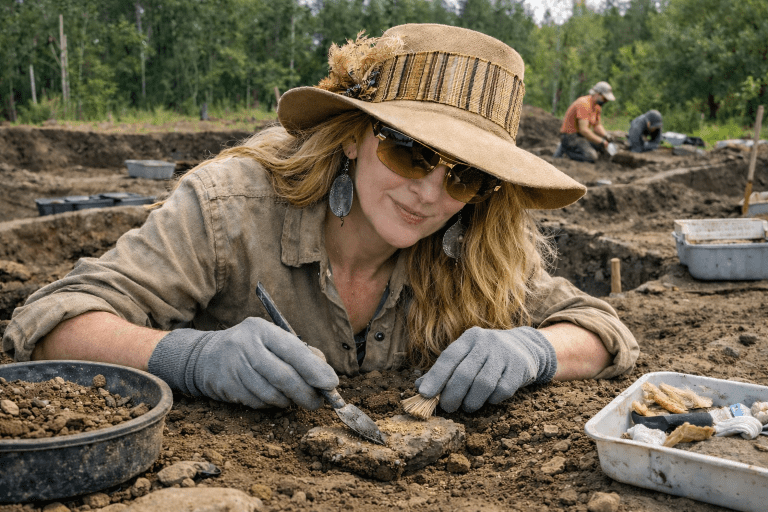
If the artifact appears to be valuable, consider reaching out to a local archaeologist or historian. They can provide insight into its significance and help determine what steps should be taken next. Consider reaching out to your local heritage or archaeological society for expert guidance on the appropriate handling of the artifact.
Finally, remember that preserving history is a shared responsibility. If you truly believe that the artifact you have uncovered holds substantial historical importance and relevance, it is both prudent and responsible to notify the appropriate authorities or relevant institutions about your discovery. This action safeguards both the artifact and its historical context, allowing historians and the public to study and appreciate it for generations to come. In doing so, you enhance our collective understanding of history and cultural heritage, offering valuable insights that could greatly benefit researchers. Taking this step can also protect you legally and ethically while doing what is best for the artifact’s future. This ensures that it is studied and preserved for future generations. Whatever you decide, taking responsible actions will help honor the story behind your discovery.