Why Is Museum Conservation and Restoration Important?
Museum conservation is crucial for preserving artifacts and artworks for future generations. Two highly effective conservation methods that truly stand out in the field are preventive conservation and restoration. Both methods play crucial roles in preserving our artistic and historical treasures for future generations to appreciate.
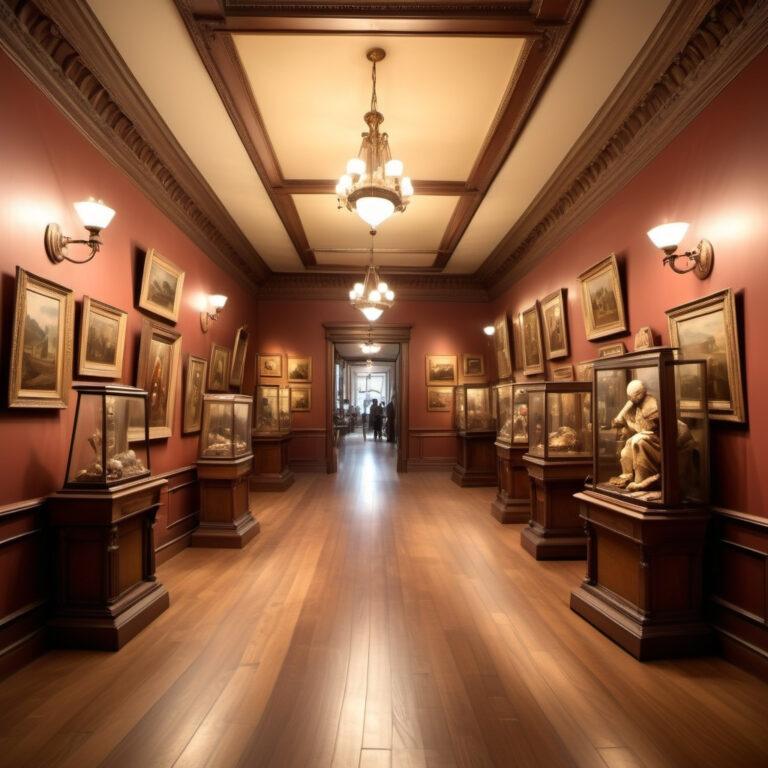
Preventive conservation focuses on minimizing risks to collections by controlling the environment and handling practices. This method employs climate control systems to maintain stable temperature and humidity levels, essential for materials like wood and textiles. Regular monitoring and surveys help identify potential threats, such as pests or pollutants. Proper staff training on handling materials and exhibits is essential to reduce wear and tear during exhibitions and transport. This ensures not only the longevity of the items but also enhances overall safety and efficiency. By empowering staff with crucial skills, organizations can uphold the integrity of their exhibits while substantially reducing the risk of damage. Ultimately, this proactive approach contributes to a more successful and professional presentation of their work.
Restoration, on the other hand, involves careful intervention to repair and stabilize deteriorating items. This method is about balancing preservation and aesthetics, ensuring the object remains as original as possible. Conservators use specialized treatments, such as cleaning, consolidating, and reinforcing materials. For instance, a painting may undergo cleaning to remove grime while ensuring the original pigment is preserved.
Both methods rely on skilled conservators who assess the specific needs of each item. An ethical approach is critical, ensuring that any restoration is reversible and does not compromise the object’s integrity. Museums can preserve their collections and cultural heritage for the future by using preventive measures and careful restoration. This cohesive strategy fosters a sustainable environment for both artifacts and future exhibits. Conservation is an ongoing process that requires collaboration, research, and innovation to adapt to new challenges. Ultimately, these methods ensure that museums remain vibrant custodians of history and culture.