Can Museums Effect Social Change?
Museums play a crucial role in shaping societal narratives and possess the unique ability to significantly drive social change within communities. By curating exhibitions that address pressing contemporary issues, they not only raise awareness but also initiate profound and meaningful discussions among visitors from diverse backgrounds. Moreover, through the implementation of engaging interactive displays and thought-provoking programs, museums encourage audiences to introspect and consider their own values, beliefs, and perspectives in relation to the topics presented. Ultimately, their influence extends beyond mere education; they foster a dynamic environment for reflection and dialogue in society.
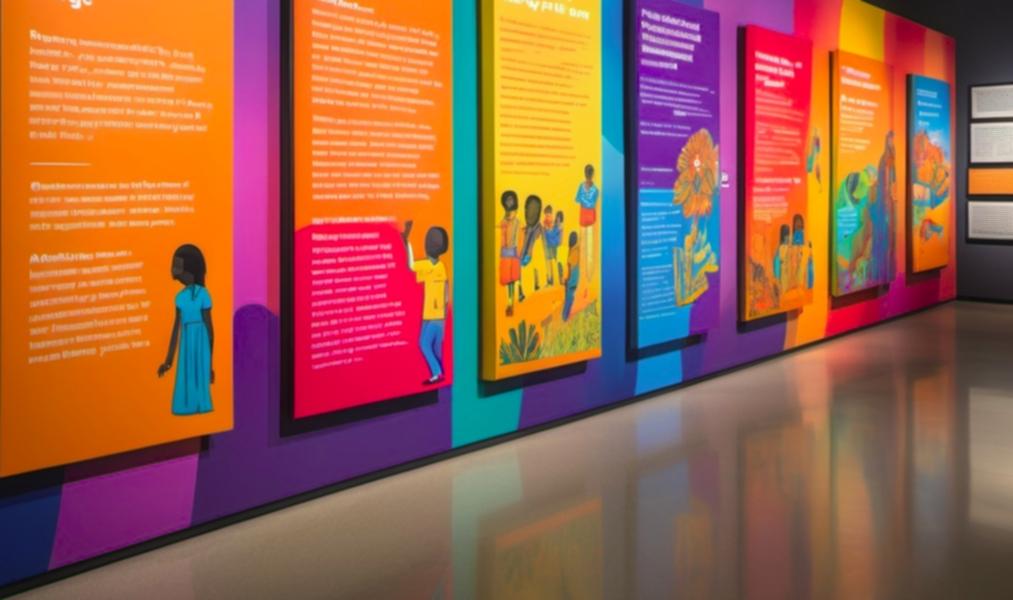
Educational workshops have the potential to significantly empower communities by equipping them with the necessary tools and knowledge to comprehend complex social issues that impact their lives. By fostering collaborations with local activists and organizations, museums can ensure that their content remains relevant and resonates with contemporary events, making the experience more meaningful for visitors. Additionally, thought-provoking art installations within these spaces can serve to challenge and expand visitors’ perspectives, encouraging them to engage in conversations that continue long after they leave the museum walls. Ultimately, this holistic approach can create a more informed and actively engaged community.
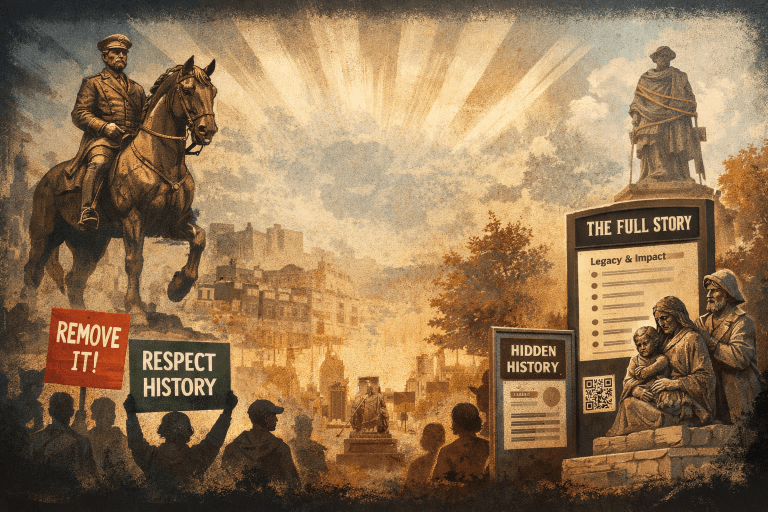
Museums have the unique potential to act as safe havens for marginalized voices, playing a crucial role in amplifying their narratives and the struggles they have faced throughout history. By curating exhibitions that reflect the legacies of social justice movements, these institutions not only educate the public but also emphasize the vital importance of activism and community engagement in driving social change. Furthermore, with the advent of virtual platforms, museums can extend their reach to broader audiences, inviting a diverse range of participants to engage in meaningful global discourse on essential and pressing topics. This democratization of knowledge and experiences fosters a deeper understanding of social equity and promotes a more inclusive dialogue.
Implementing outreach initiatives is essential for bridging the gap between museums and underserved communities, as it ensures that cultural resources become accessible to individuals who may not have had the opportunity to engage with them otherwise. By organizing storytelling projects, museums can actively gather and share personal narratives that showcase a wide range of diverse experiences, which in turn fosters deeper empathy and understanding among different groups. This connection not only enriches the museum’s offerings but also empowers community voices, allowing their stories to be heard and valued. Ultimately, these collaborative efforts can create a more inclusive cultural landscape that benefits everyone involved.
Through a wide range of engaging and diverse programming, museums have the unique opportunity to cultivate a deep sense of belonging and identity for various groups within their communities. Thoughtfully designed exhibitions can serve as powerful tools to foster critical thinking, encouraging visitors to reflect on their own roles and responsibilities in effecting meaningful change in society. By creating interactive and inclusive experiences, museums can help individuals from different backgrounds connect with their heritage while also contemplating broader societal issues. Ultimately, these efforts not only enrich the visitor experience but also strengthen community ties and promote a shared understanding of diverse perspectives.
Ultimately, museums can inspire collective action by sharing histories that connect past struggles to present realities. By embracing their role as catalysts for social change, museums can ignite passion and encourage a more informed, engaged society.