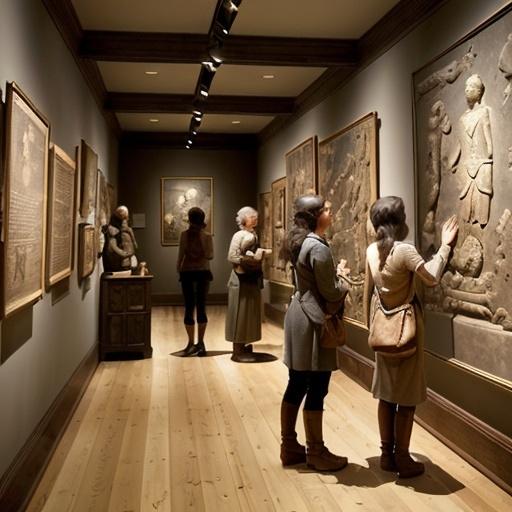
Museums Are Challenged To Change With The Times
Museums today encounter a multitude of challenges that hinder their capacity to engage with the public meaningfully. A significant concern is the insufficient diversity in both their collections and workforce. Many institutions predominantly showcase Western art and artifacts, neglecting the rich tapestry of global cultures and viewpoints. Moreover, the stories and contributions of marginalized communities are often overlooked in curatorial decisions, leading to a disconnection from broader audiences.
Another significant concern is the accessibility of museums for all individuals. Many museums still struggle with accessibility, making it difficult for people with disabilities, older adults, and those from low-income backgrounds to navigate and enjoy their spaces. Additionally, steep admission fees can act as a significant obstacle, isolating potential visitors and reinforcing the sentiment that museums are exclusive venues instead of warm, inclusive spaces that everyone can enjoy. This issue needs urgent attention to ensure that cultural institutions truly cater to the diverse fabric of our society.
Moreover, the reliance on outdated concepts of education can significantly hinder engagement in today’s learning environments. Traditional didactic methods, which primarily emphasize rote memorization, often encourage passive learning styles that may not fully engage today’s younger generations. These students are increasingly yearning for interactive and immersive learning experiences that allow them to connect more profoundly with the material being presented. As they navigate a world rich in technology and collaboration, the demand for teaching approaches that promote active participation and critical thinking continues to grow. Consequently, traditional methodologies may struggle to meet the needs and preferences of a generation that thrives on engagement and hands-on learning opportunities. To truly capture the interest and imagination of their audiences, museums must adapt by incorporating innovative technologies and participatory practices that not only enhance the educational experience but also engage visitors more effectively and meaningfully. By doing so, they can create a more dynamic learning atmosphere that encourages exploration and personal investment in the subject matter.
Sustainability has emerged as a critical and pressing issue that many institutions must confront. Numerous museums are grappling with the challenge of integrating eco-friendly practices into their day-to-day operations, as well as their exhibitions, often struggling to find effective solutions. As global environmental concerns intensify, museums and similar institutions that fail to implement sustainable policies risk not only losing their credibility but also becoming increasingly irrelevant to the public. The need for a proactive approach to sustainability has never been more important, especially when considering the long-term viability and impact of cultural establishments in our communities. As we face increasing environmental challenges and shifts in societal values, these institutions must adapt and lead by example, embracing sustainable practices to engage their audiences meaningfully. By doing so, they not only preserve their legacies but also contribute positively to the broader ecosystem. It is imperative that these organizations prioritize sustainability to secure their futures and enhance their relevance in an ever-evolving world.
The influence of social media has significantly transformed the relationship between museums and their audiences. While some institutions have adeptly harnessed digital platforms, others have fallen behind, jeopardizing their chances for outreach and fostering community connections. To stay pertinent, museums must tackle these challenges proactively, adapting to the evolving landscape of the society they exist to serve.