The Importance of Being Earnest

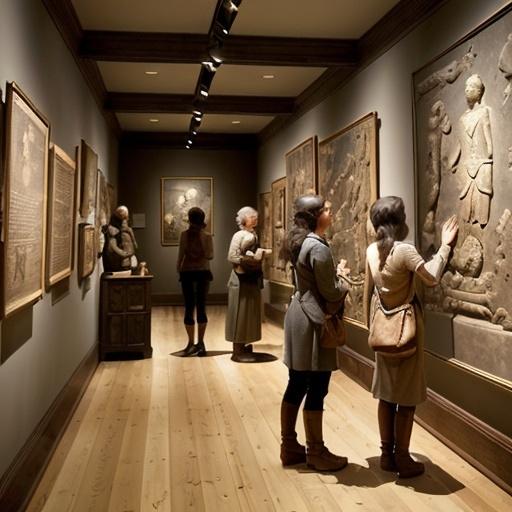
Museums provide important access to history, culture, and science, and the value of this experience heavily depends on the quality of their exhibits. Engaging displays captivate visitors and encourage curiosity, making learning an interactive process rather than a passive one. When exhibits incorporate multimedia elements—like video, sound installations, or interactive touchscreens—they stimulate multiple senses, leaving a lasting impression.

Well-designed exhibitions not only convey information but also tell compelling stories that resonate with visitors. This narrative method allows people to emotionally connect with the subject, enhancing their appreciation for the artifacts and their significance. Moreover, integrating hands-on experiences allows guests to explore concepts actively, catering to different learning styles.

The importance of inclusivity in exhibit design cannot be overstated. Accessible displays accommodate various abilities, ensuring that everyone can engage with the content. Additionally, curators should focus on diverse perspectives, showcasing underrepresented voices to create a more comprehensive understanding of history and culture.

Temporary exhibits can also draw repeat visitors, as they create a sense of urgency to see something new. Collaborations with artists and community groups can inject fresh ideas and perspectives, keeping the museum dynamic. Engaging exhibits offer enjoyment while fostering critical thinking and discussion, essential skills in today’s fast-paced world.

Ultimately, interesting and engaging museum exhibits enrich visitor experiences, promote cultural appreciation, and foster lifelong learning. Museums can strengthen their role as vital educational institutions by continuously innovating and meeting the needs of their audiences.
Similar Posts

  • Technology And Archaeology

    As we move into 2024, archaeology is experiencing a significant transformation in methods and technologies. One of the most impactful changes is the integration of artificial intelligence (AI) in analyzing archaeological data. AI algorithms are being utilized to identify patterns in excavation findings, offering insights that were previously unattainable. Remote sensing technologies, including LiDAR, are…

  • Why Is Museum Conservation and Restoration Important?

    Museum conservation is crucial for preserving artifacts and artworks for future generations. Two highly effective conservation methods that truly stand out in the field are preventive conservation and restoration. Both methods play crucial roles in preserving our artistic and historical treasures for future generations to appreciate. Preventive conservation focuses on minimizing risks to collections by…

  • 2020 Online Lecture Series

    Victorian Dark Secrets – Friday, September 18 at 6:30 SOLD OUTSeika Groves BSc, discusses Secret Societies, the fate of millions of stolen Egyptian mummies, behind the locked doors of Bedlam: London’s Most Notorious Insane Asylum. Corsets: Deadly Beauty – Saturday, September 26 at 1:30 SOLD OUTSeika Groves BSc, discusses the truth and the myth around…

  • War Of 1812 Schooners Below

    Ghost Schooners of Lake Ontario: Hamilton and Scourge, and the Night They Rolled Over There is a particular kind of quiet that comes before weather turns on the Great Lakes. Not calm exactly, more like the lake is holding its breath. Ned Myers remembered that stillness on Lake Ontario in early August 1813. In James…

  • That’s A Wrap folks!

    That’s a wrap folks! Another series in the can, so they say. I am so humbled and excited to have been included in this project and the other two I have worked on with Go Button Media – Phantom Signals and Secret Nazi Bases. This time out there was so much information it had to…

Leave a Reply

Your email address will not be published. Required fields are marked *