Who Are We As a Species?
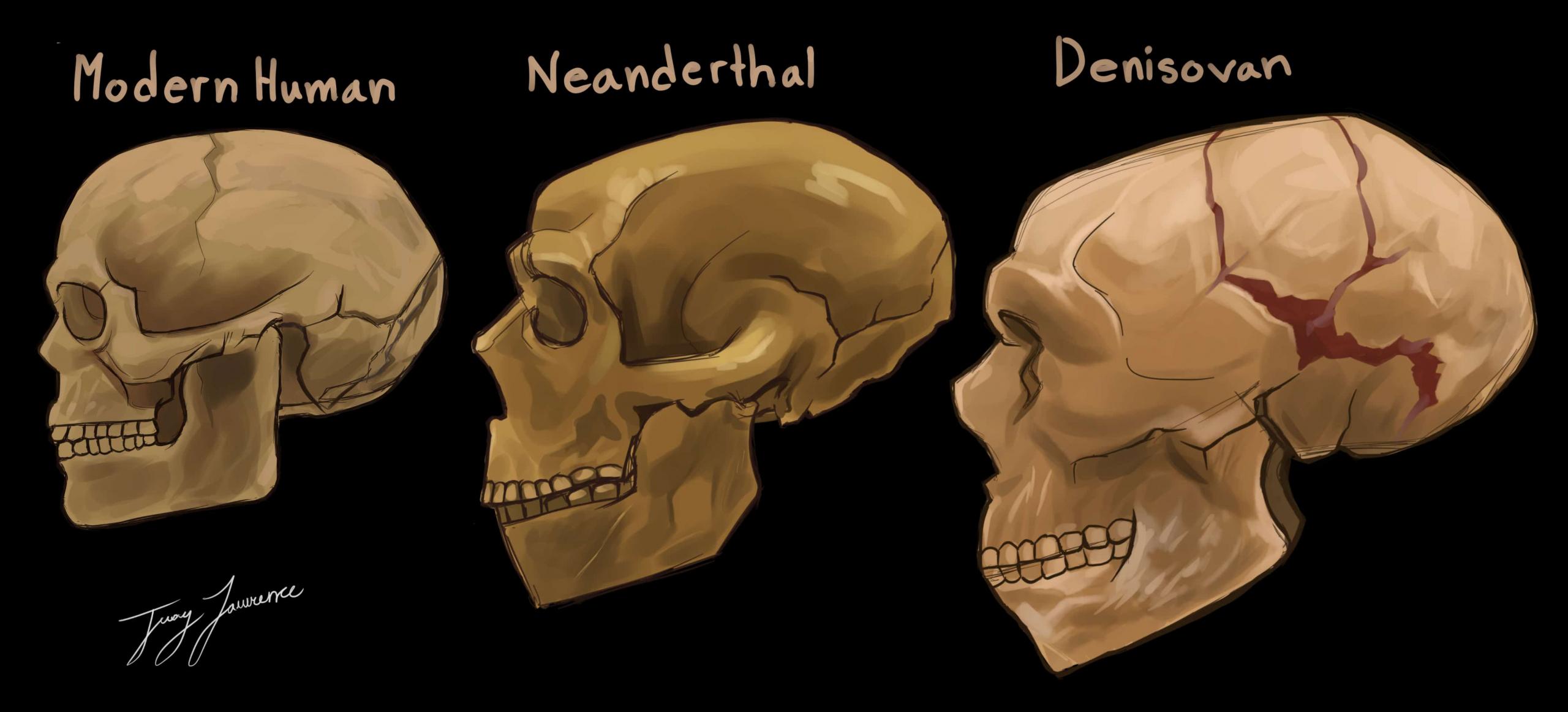
Neanderthals, Denisovans, and Homo sapiens are three intriguing species in the human lineage that highlight our evolutionary journey. Neanderthals lived in areas of Europe and parts of Asia between approximately 400,000 to 40,000 years ago. Recent findings suggest that, rather than being savage, these hominids used sophisticated tools, created art, and likely had complex social structures. Evidence suggests that Neanderthals also practiced burial rituals, indicating a belief in an afterlife.
Denisovans, a lesser-known cousin, were identified from a finger bone discovered in Denisova Cave in Siberia. They lived around the same time as Neanderthals but occupied different territories in Asia. Genetic studies show that Denisovans mixed with Neanderthals and early modern humans, influencing the genetic diversity of some present-day populations, especially in Melanesia and Southeast Asia.
Homo sapiens appeared in Africa around 300,000 years ago and eventually spread across the globe. This species is characterized by a high degree of adaptability, which facilitated survival in diverse environments. Unlike their relatives, Homo sapiens developed advanced cognitive abilities, leading to innovations in language, art, and technology.
Fascinatingly, all three species coexisted at various points in history, resulting in interbreeding. The intricate genetic interplay between various human ancestors and contemporary populations presents a significant challenge to the long-established view of human evolution as a simple, linear progression from one distinct species to another. Instead, it underscores the complexity and multifaceted nature of our evolutionary journey, where interbreeding and genetic exchange create a tapestry of connections that defy straightforward categorization. This rethinking of the evolutionary narrative emphasizes that human history is far more complicated than previously assumed, involving a web of interactions that allows for a diverse and dynamic evolutionary landscape. Ultimately, it invites us to reconsider not only how we understand human origins but also the very nature of species evolution itself. It suggests a complex network of evolutionary pathways, indicating that multiple species contributed to the genetic makeup of modern humans. Such complexity suggests that evolutionary history is not merely a straight line, but rather a tapestry of interactions and exchanges. This paradigm shift encourages a reevaluation of how we understand our origins and the relationships between different human ancestors. Research continues to uncover the extent of these interactions, reshaping our understanding of what it means to be human.
Our modern genome carries traces of these ancient encounters, serving as a reminder of our shared ancestry. As we delve deeper into our past, the stories of Neanderthals, Denisovans, and Homo sapiens become vital in understanding the diversity and resilience of the human experience. These relationships highlight not only survival strategies but also the emotional and cultural dimensions that define humanity.