How Important Is Public Engagement?

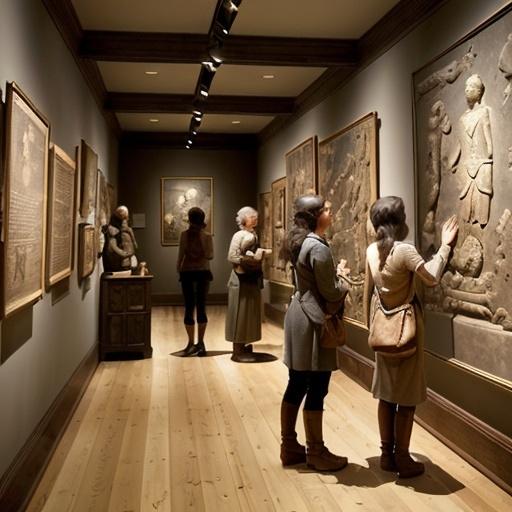
Museums have traditionally been quiet places for reflection, but they are now changing how they engage with the public. Many museums are embracing interactive exhibits that allow visitors to touch, play, and participate in the story being told. This hands-on approach not only makes the experience more enjoyable but also deepens comprehension and retention of information.

Workshops, lectures, and guided tours are becoming more popular, breaking down the barriers between the museum and its audience. Some museums are transforming their spaces into community hubs, hosting events that celebrate local culture and history. These initiatives help forge connections between the museum and the community it serves.

Virtual reality experiences are also making waves, allowing visitors to immerse themselves in historical environments without leaving the building. This technological integration captures the interest of younger audiences and offers distinctive learning experiences. Additionally, social media platforms are being used to create dialogue. Museums encourage visitors to share their experiences online, thus broadening their reach.

Some institutions have even implemented feedback systems, inviting visitors to share their thoughts on exhibits and programming. This input has the potential to influence future offerings and guarantee that museums continue to be relevant. Collaborations with local artists and organizations further enrich the experience, fostering a sense of ownership within the community.

By embracing these innovative strategies, museums are not only preserving history but also becoming active participants in contemporary cultural conversations. As they engage the public in new ways, museums are evolving into vibrant, essential parts of our communities. The future looks promising for institutions that prioritize connection and interaction, reshaping the museum experience for generations to come.


Similar Posts

  • The Key To Telling A Story

    Choosing the right language to tell the story of a museum artifact is crucial for meaningful engagement. Every artifact has a narrative that reflects its cultural, historical, and social significance. Using accessible and descriptive language ensures that visitors can connect with the object on a personal level. First, avoid jargon that could alienate your audience….

  • Ancient Celts

    Ancient Celtic culture is a fascinating tapestry woven from rich traditions, art, and social structures. It flourished throughout Europe, particularly in regions like Ireland, Scotland, Wales, and parts of France and Germany. The Celts were known for their outstanding artistic talents, especially in intricate metalwork that displayed their craftsmanship. In addition to their stunning metal…

  • The Myth of the “Perfect Find” (and What Archaeology Actually Looks Like)

    If you’ve ever watched an archaeology documentary, you’d be forgiven for thinking the job is 90% dramatic discoveries and 10% squinting at dusty things while someone whispers, “This changes everything.” Real archaeology is a little less cinematic… and honestly, far more interesting. Because most of what we do isn’t about treasure. It’s about evidence, tiny,…

  • Who Are We As a Species?

    Neanderthals, Denisovans, and Homo sapiens are three intriguing species in the human lineage that highlight our evolutionary journey. Neanderthals lived in areas of Europe and parts of Asia between approximately 400,000 to 40,000 years ago. Recent findings suggest that, rather than being savage, these hominids used sophisticated tools, created art, and likely had complex social…

  • Can Museums Effect Social Change?

    Museums play a crucial role in shaping societal narratives and possess the unique ability to significantly drive social change within communities. By curating exhibitions that address pressing contemporary issues, they not only raise awareness but also initiate profound and meaningful discussions among visitors from diverse backgrounds. Moreover, through the implementation of engaging interactive displays and…

Leave a Reply

Your email address will not be published. Required fields are marked *