I Want My Mummy – Book Review
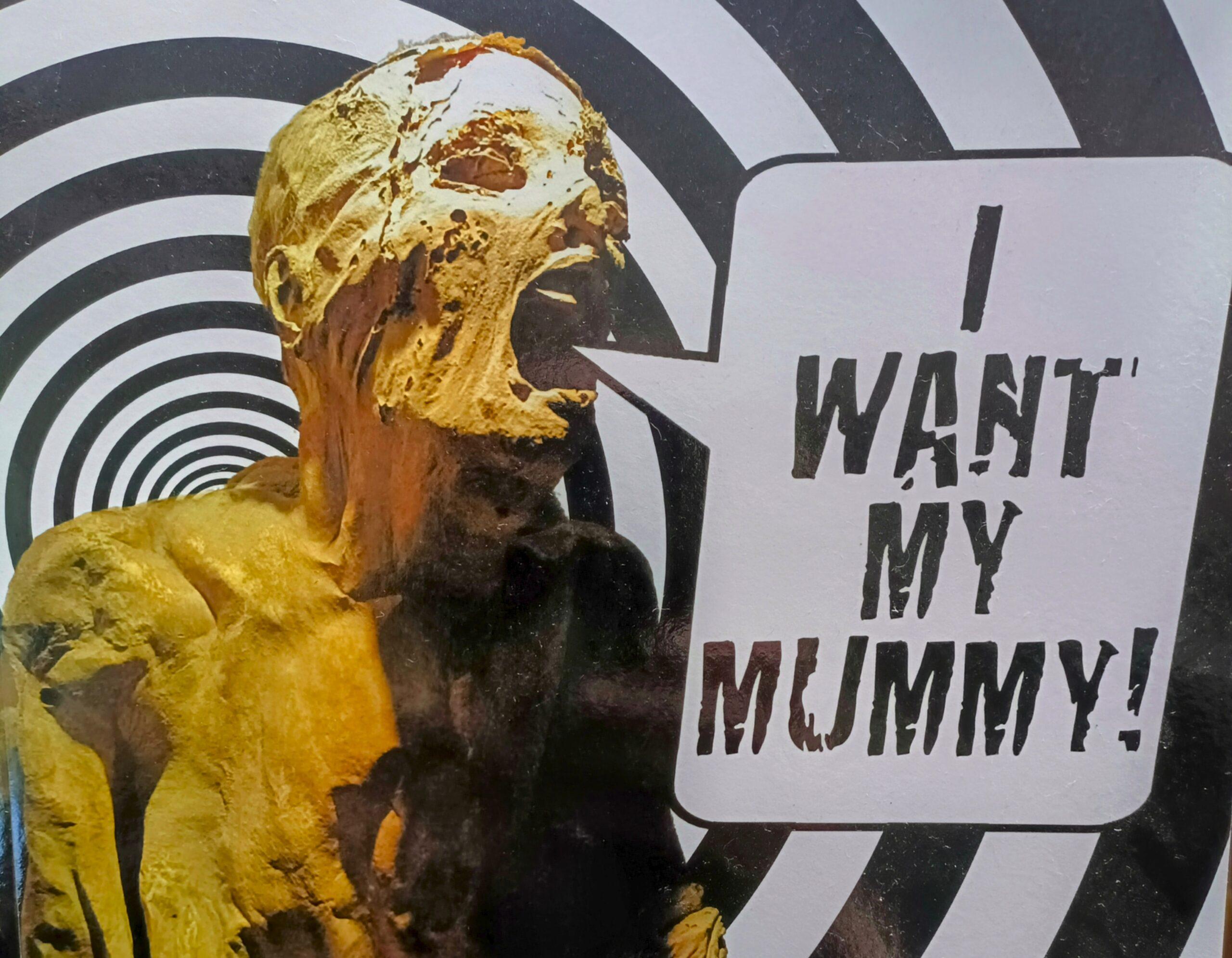
In 2024, I wrote an engaging book specifically designed for my Victorian Mummy Unwrapping events, aimed at enhancing the experience for attendees. Over the 15 years of touring with “Bob the Mummy,” I have offered small items such as statuettes, jewellery, and keepsakes that could be purchased to take home. It took several years to compile the information I wanted to include, and then design and lay out the 52 pages that make up this book.While brief, the book is concise information on mummies and their intriguing background and misadventures. It is available for purchase at my presentations, on Amazon, and at other retailers worldwide; however I never dreamed someone would take the time to actually write a review. I was delighted to see this review of the book and to know that someone understands my intent with this collection of information.
The review is as follows:
“I Want My Mummy” by Seika Groves B.Sc., is an engaging compendium that dives deep into the fascinating world of Egyptian mummies. This book does an exceptional job of unraveling the mysteries surrounding mummification, ancient rituals, and the significance of these preserved remains in Egyptian culture. Groves not only presents historical facts but also integrates stories that make the content relatable and intriguing for readers of all ages.
The book is meticulously organized, exploring different aspects of mummification techniques, the materials used, and the beliefs associated with the afterlife. From the embalming process to the burial practices, the book offers a comprehensive view that caters to both novices and seasoned Egyptology enthusiasts. The illustrations included throughout the pages enrich the reading experience, bringing ancient Egypt to life visually.
One of the standout features of this compendium is Groves’ ability to narrate complex topics in a fun and accessible manner. She incorporates interactive elements, encouraging readers to think critically about how mummies impact our understanding of history and anthropology. Furthermore, the book addresses misconceptions about mummies, clearing up myths while highlighting fascinating facts.
“I Want My Mummy” also delves into the discovery of mummies in modern times, discussing archaeological findings and their significance in contemporary research. Readers will appreciate the way Groves connects ancient practices with modern-day implications, making it a thought-provoking read. In a world where interest in ancient civilizations continues to grow, this book serves as an excellent resource.
Overall, Seika Groves has successfully created a compendium that is informative, engaging, and visually compelling. Whether you’re a student, a teacher, or simply a curious reader, “I Want My Mummy” promises an enriching journey into the world of Egyptian mummies. The book is a must-read for anyone interested in ancient Egypt and serves as a testament to how history continues to captivate our imagination.
Thank you to the creator of this review on the BAS forum. If anyone knows who wrote this, please let me know.