Ancient Celts
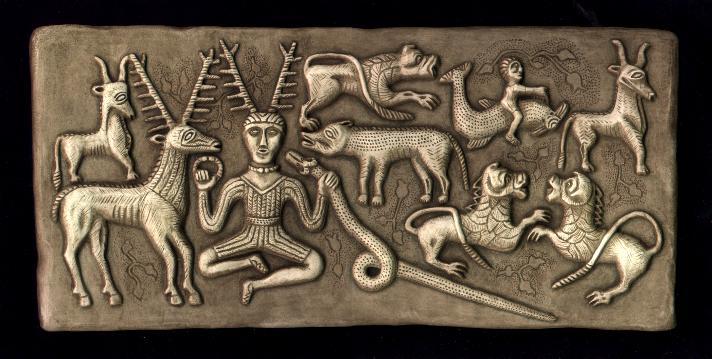
Ancient Celtic culture is a fascinating tapestry woven from rich traditions, art, and social structures. It flourished throughout Europe, particularly in regions like Ireland, Scotland, Wales, and parts of France and Germany. The Celts were known for their outstanding artistic talents, especially in intricate metalwork that displayed their craftsmanship. In addition to their stunning metal creations, they also produced exquisite stone carvings that often depicted intricate patterns and figures. Their beautiful textiles were another highlight of their artistry, frequently adorned with vibrant colours and elaborate designs that reflected their rich cultural heritage. This artistic legacy reflects their creativity and deep connection to nature and spirituality, which greatly influenced their work.
One of the most significant aspects of Celtic culture was its spirituality and mythology. The Celts held a rich belief in numerous deities and maintained a profound connection to nature, considering the earth, vegetation, and animals as sacred elements of their world. Their beliefs are rich with epic narratives, particularly in the Ulster Cycle and the Mythological Cycle, which showcase a captivating array of gods, valiant warriors, and ethereal beings.
Celtic society was hierarchical, with kings, druids, and warriors holding positions of power and respect. Druids served as priests, judges, and scholars, preserving knowledge and spiritual wisdom. Oral tradition is crucial for preserving cultures and histories by sharing stories, myths, and ancestral knowledge across generations. This rich practice ensured that the collective wisdom and experiences of people were kept alive until such time as they were eventually documented and transcribed into manuscripts. These written records served to solidify the narratives that had previously existed solely in spoken form, allowing future generations to connect with their heritage in a more tangible way. Therefore, the transformation from oral storytelling to written documentation marked a crucial evolution in the preservation of cultural identity and historical continuity.
The Celts honored a range of seasonal festivals, including Samhain and Beltane, which signified significant agricultural and spiritual milestones. Music and dance were integral to their everyday life, with instruments such as the harp and early forms of bagpipes taking center stage at community gatherings.
Though their culture faced significant decline following Roman conquest and Christianization, numerous elements of Celtic heritage endure today, manifesting in the music, art, and folklore of contemporary Celtic nations. The renewed interest in Celtic traditions emphasizes the lasting impact of this ancient civilization and strengthens the identity of modern Celtic descendants.