The Importance of Being Earnest

Museums provide important access to history, culture, and science, and the value of this experience heavily depends on the quality of their exhibits. Engaging displays captivate visitors and encourage curiosity, making learning an interactive process rather than a passive one. When exhibits incorporate multimedia elements—like video, sound installations, or interactive touchscreens—they stimulate multiple senses, leaving a lasting impression.

Well-designed exhibitions not only convey information but also tell compelling stories that resonate with visitors. This narrative method allows people to emotionally connect with the subject, enhancing their appreciation for the artifacts and their significance. Moreover, integrating hands-on experiences allows guests to explore concepts actively, catering to different learning styles.

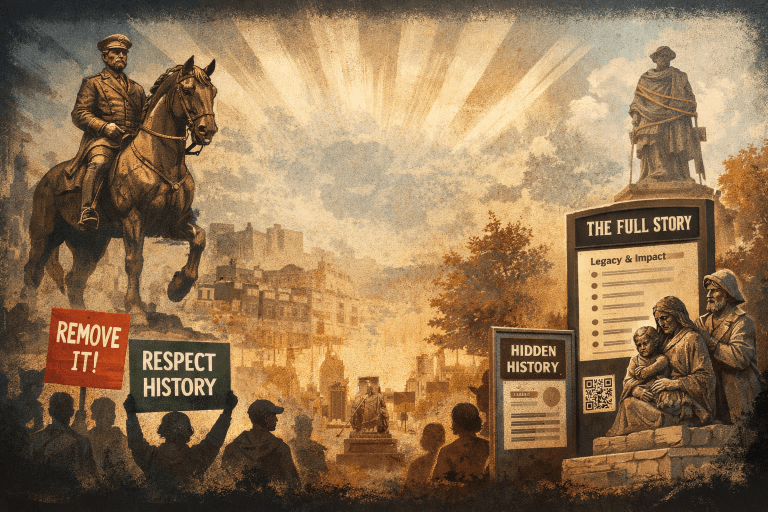
The importance of inclusivity in exhibit design cannot be overstated. Accessible displays accommodate various abilities, ensuring that everyone can engage with the content. Additionally, curators should focus on diverse perspectives, showcasing underrepresented voices to create a more comprehensive understanding of history and culture.

Temporary exhibits can also draw repeat visitors, as they create a sense of urgency to see something new. Collaborations with artists and community groups can inject fresh ideas and perspectives, keeping the museum dynamic. Engaging exhibits offer enjoyment while fostering critical thinking and discussion, essential skills in today’s fast-paced world.

Ultimately, interesting and engaging museum exhibits enrich visitor experiences, promote cultural appreciation, and foster lifelong learning. Museums can strengthen their role as vital educational institutions by continuously innovating and meeting the needs of their audiences.


Similar Posts

  • What Do I Do Now?

    Discovering an artifact in your backyard can be both exciting and bewildering. First, it’s essential to remain calm and avoid disturbing the item further. Take a moment to closely observe the artifact; note its size, shape, and any visible markings. Document its location by taking photos and making detailed notes about where and how you…

  • The Key To Telling A Story

    Choosing the right language to tell the story of a museum artifact is crucial for meaningful engagement. Every artifact has a narrative that reflects its cultural, historical, and social significance. Using accessible and descriptive language ensures that visitors can connect with the object on a personal level. First, avoid jargon that could alienate your audience….

  • Technology And Archaeology

    As we move into 2024, archaeology is experiencing a significant transformation in methods and technologies. One of the most impactful changes is the integration of artificial intelligence (AI) in analyzing archaeological data. AI algorithms are being utilized to identify patterns in excavation findings, offering insights that were previously unattainable. Remote sensing technologies, including LiDAR, are…

  • How Important Is Public Engagement?

    Museums have traditionally been quiet places for reflection, but they are now changing how they engage with the public. Many museums are embracing interactive exhibits that allow visitors to touch, play, and participate in the story being told. This hands-on approach not only makes the experience more enjoyable but also deepens comprehension and retention of…

  • NAGPRA

    The Native American Graves Protection and Repatriation Act (NAGPRA) has undergone significant scrutiny and evolution in recent years. As society recognizes the injustices faced by Indigenous peoples, there is a growing demand for stronger standards in NAGPRA. New guidelines improve the repatriation process for Native American remains and cultural items, recognizing Indigenous communities’ rights. One…

Leave a Reply

Your email address will not be published. Required fields are marked *