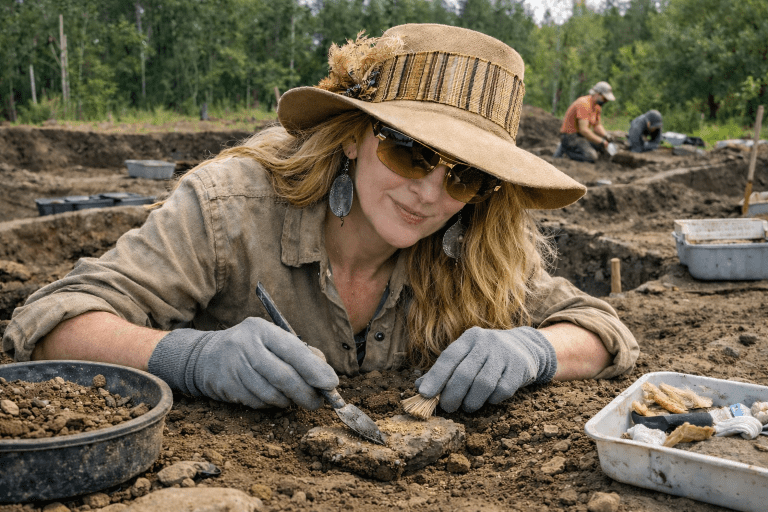
Technology And Archaeology

As we move into 2024, archaeology is experiencing a significant transformation in methods and technologies. One of the most impactful changes is the integration of artificial intelligence (AI) in analyzing archaeological data. AI algorithms are being utilized to identify patterns in excavation findings, offering insights that were previously unattainable.

Remote sensing technologies, including LiDAR, are gaining prominence in archaeological surveys. These tools allow researchers to visualize landscapes without invasive techniques, revealing structures hidden beneath vegetation or soil. The combination of drones and LiDAR facilitates more comprehensive mapping of archaeological sites, streamlining the initial stages of exploration.

The use of 3D scanning is also revolutionizing documentation practices. Artifacts and sites can be precisely recorded and replicated, offering researchers and the public a clear view of cultural heritage. This approach enhances preservation efforts and allows for greater accessibility to archaeological findings.

Additionally, interdisciplinary collaboration is on the rise. Archaeologists are collaborating with experts from chemistry, geology, and digital humanities to enhance their insights into ancient cultures. This collaborative spirit is fostering innovation and ultimately leading to more holistic interpretations of archaeological evidence.

Public engagement is being prioritized with the help of virtual reality (VR) and augmented reality (AR). These technologies create immersive experiences that allow visitors to interact with past civilizations, making archaeology more relatable and inspiring.

Finally, sustainable practices are becoming a cornerstone of archaeological fieldwork. The emphasis on environmental stewardship ensures that excavation and research methods do not harm the sites being studied. As we welcome these groundbreaking advancements, the future of archaeology is set to become more efficient, inclusive, and responsible, enabling us to explore and uncover the past in ways we once thought impossible.


Similar Posts

  • What Do I Do Now?

    Discovering an artifact in your backyard can be both exciting and bewildering. First, it’s essential to remain calm and avoid disturbing the item further. Take a moment to closely observe the artifact; note its size, shape, and any visible markings. Document its location by taking photos and making detailed notes about where and how you…

  • New Shows for 2020/21

    Seika’s latest appearances (2020/2021) include: Phantom Signals (S01E06, Omen Of The Pharaoh’s Wail) and Season 2 of Secret Nazi Bases (in Canada & the UK, aka Secret Nazi Ruins in the US). Seika is also scheduled to appear on a new series, Secret Nazi Expeditions (currently in production). Check out your local cable provider or streaming service for times and air dates,…

  • Museums Are Challenged To Change With The Times

    Museums today encounter a multitude of challenges that hinder their capacity to engage with the public meaningfully. A significant concern is the insufficient diversity in both their collections and workforce. Many institutions predominantly showcase Western art and artifacts, neglecting the rich tapestry of global cultures and viewpoints. Moreover, the stories and contributions of marginalized communities…

  • How Important Is Public Engagement?

    Museums have traditionally been quiet places for reflection, but they are now changing how they engage with the public. Many museums are embracing interactive exhibits that allow visitors to touch, play, and participate in the story being told. This hands-on approach not only makes the experience more enjoyable but also deepens comprehension and retention of…

  • Who Are We As a Species?

    Neanderthals, Denisovans, and Homo sapiens are three intriguing species in the human lineage that highlight our evolutionary journey. Neanderthals lived in areas of Europe and parts of Asia between approximately 400,000 to 40,000 years ago. Recent findings suggest that, rather than being savage, these hominids used sophisticated tools, created art, and likely had complex social…

Leave a Reply

Your email address will not be published. Required fields are marked *