That’s A Wrap folks!

That’s a wrap folks! Another series in the can, so they say. I am so humbled and excited to have been included in this project and the other two I have worked on with Go Button Media – Phantom Signals and Secret Nazi Bases.

This time out there was so much information it had to be done over two days. I clocked over 10 hours in front of the camera to complete my contributions to this new show Secret Nazi Expeditions.

I am no Nazi expert, but I do know a thing or two about archaeological sites, early humans and a lot more. After spending time researching and presenting the info about these crazy expeditions, my brain is drawing a blank on what I actually spoke about! Guess I’ll have to wait like everyone else to see what makes the final cut across 8 episodes…or is it 6? I honestly can’t recall.

Thank you, Daniel, Robin, Reuben and all the amazing folks for your expertise in pulling these shows together. Below is a little sneak peek. of my time in the studio.

Similar Posts

  • Who Are We As a Species?

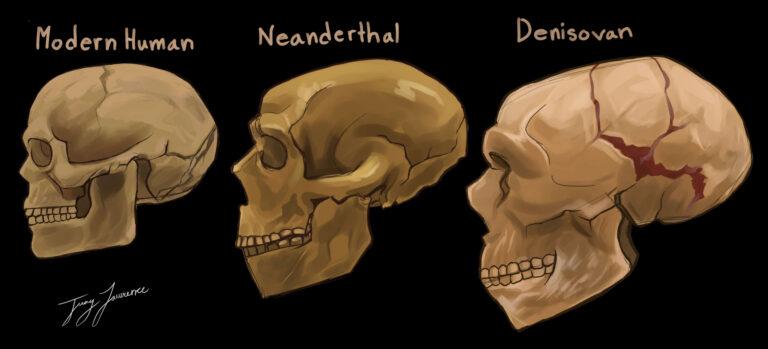
    Neanderthals, Denisovans, and Homo sapiens are three intriguing species in the human lineage that highlight our evolutionary journey. Neanderthals lived in areas of Europe and parts of Asia between approximately 400,000 to 40,000 years ago. Recent findings suggest that, rather than being savage, these hominids used sophisticated tools, created art, and likely had complex social…

  • The Key To Telling A Story

    Choosing the right language to tell the story of a museum artifact is crucial for meaningful engagement. Every artifact has a narrative that reflects its cultural, historical, and social significance. Using accessible and descriptive language ensures that visitors can connect with the object on a personal level. First, avoid jargon that could alienate your audience….

  • Technology And Archaeology

    As we move into 2024, archaeology is experiencing a significant transformation in methods and technologies. One of the most impactful changes is the integration of artificial intelligence (AI) in analyzing archaeological data. AI algorithms are being utilized to identify patterns in excavation findings, offering insights that were previously unattainable. Remote sensing technologies, including LiDAR, are…

  • Why Is Museum Conservation and Restoration Important?

    Museum conservation is crucial for preserving artifacts and artworks for future generations. Two highly effective conservation methods that truly stand out in the field are preventive conservation and restoration. Both methods play crucial roles in preserving our artistic and historical treasures for future generations to appreciate. Preventive conservation focuses on minimizing risks to collections by…

  • How Important Is Public Engagement?

    Museums have traditionally been quiet places for reflection, but they are now changing how they engage with the public. Many museums are embracing interactive exhibits that allow visitors to touch, play, and participate in the story being told. This hands-on approach not only makes the experience more enjoyable but also deepens comprehension and retention of…

  • NAGPRA

    The Native American Graves Protection and Repatriation Act (NAGPRA) has undergone significant scrutiny and evolution in recent years. As society recognizes the injustices faced by Indigenous peoples, there is a growing demand for stronger standards in NAGPRA. New guidelines improve the repatriation process for Native American remains and cultural items, recognizing Indigenous communities’ rights. One…

Leave a Reply

Your email address will not be published. Required fields are marked *